

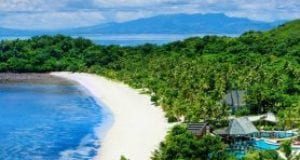
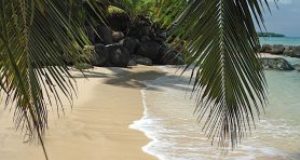
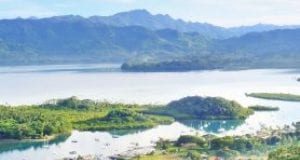
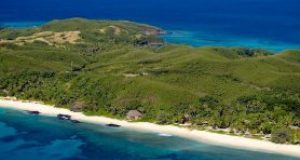





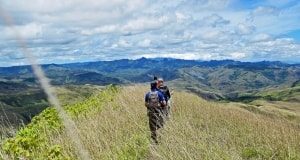




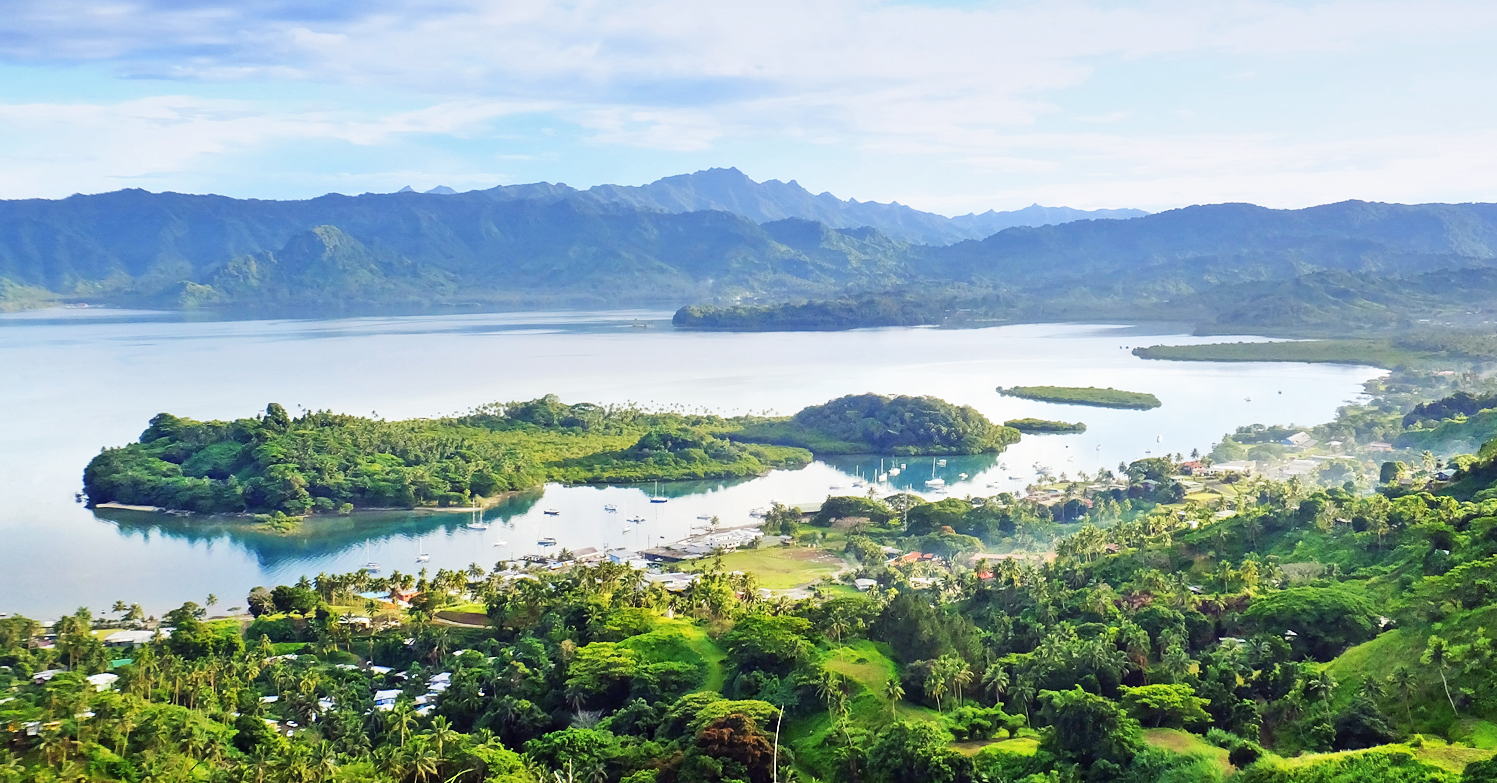
Vanua Levu (pronounce Va-new-ah Lay-vu), with a population of approximately 130,000, is the second largest island of the Fiji archipelago. With an area of 5538 square kilometers, it is slightly larger than half the size of Viti Levu. The island measures 180 kilometers long and has an average width of 33 kilometers. The island is rugged, untrammeled and the coast is surrounded by an extensive system of coral reefs.
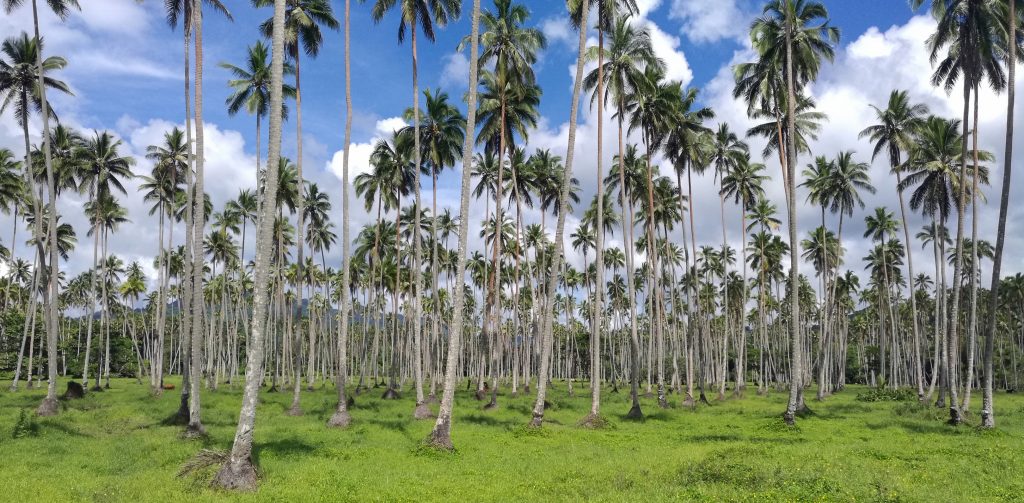
Once a center for the copra trade, sugar cultivation is the most important industry and large cane fields can be seen on the dry western and northern coasts. Tourism is also gaining traction, primarily in the Savusavu area.
There is a system of roads but they are not as extensive nor as well maintained as on the main island of Viti Levu. The exception would be the paved roads linking Savusavu and Labasa and up the coastal (Hibiscus) Highway towards Natewa Bay and Bagasau village.
A noteworthy development in town is the creation of a marina for the very affluent on Nawi Island, just offshore from Savusavu town.
The once pristine island is now being carved up, graded and subdivided for future homes and a luxury resort.
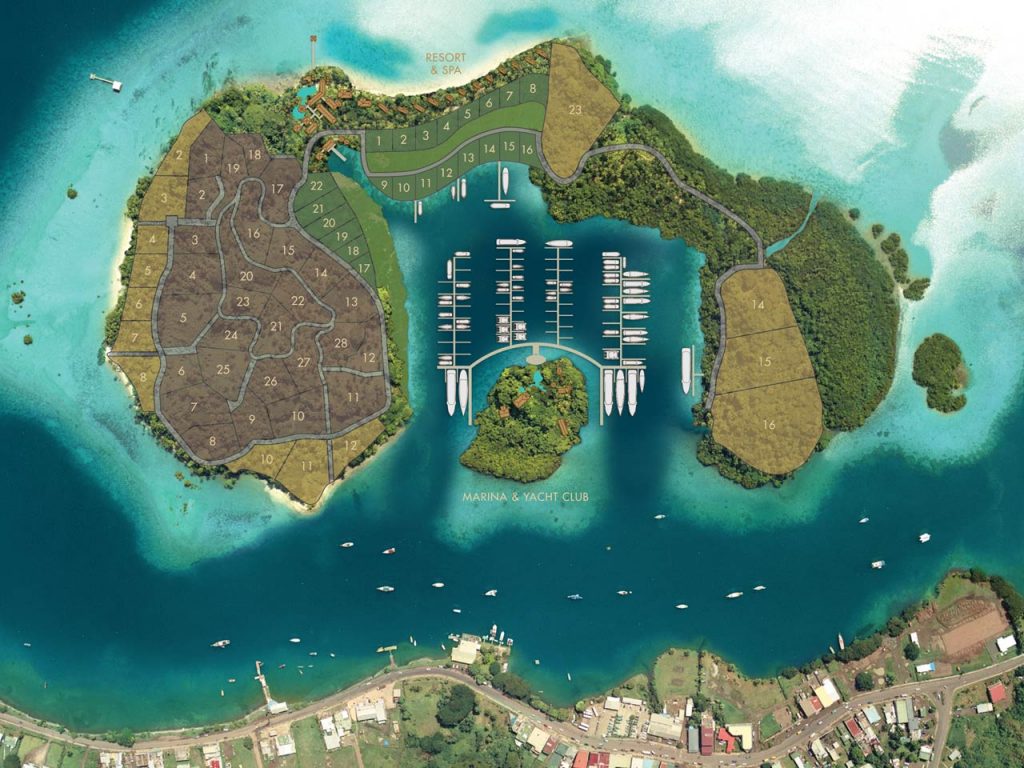
According to the website, Nawi Island Marina will have 150 slips, from monohauls and catamarans to super yachts, “with facilities and hospitality you would expect from only a world-class marina”
Location
Definitely Do Not Miss
Rent a car and drive the Hibiscus Highway to towards Natewa Bay, the in the South Pacific. In Savusavu sip a beer at the Planters Club or visit the Hot Springs Hotel for a breathtakingly beautiful Savusavu Bay.
Around Vanua Levu
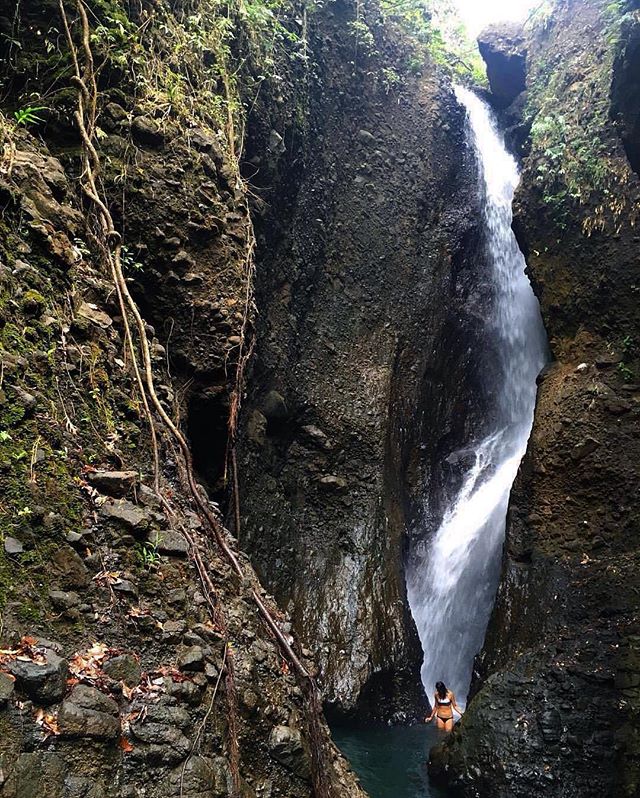
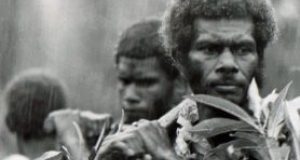
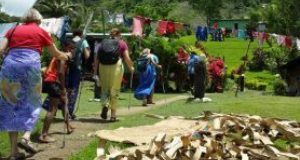
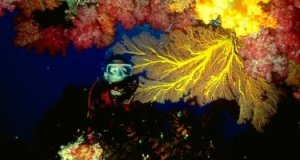
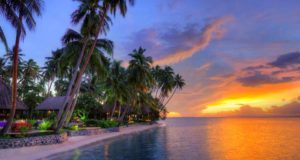
Although very near Viti Levu in distance (64 km northeast) it is less developed and less frequented by tourists. Vanua Levu thus offers the guest an ideal opportunity to observe local traditions and culture, relatively untarnished by tourism. The largest centers of population are Labasa and Savusavu, but they are small towns compared to the larger urban centers on Viti Levu. Labasa, largely an Indian community, is a thriving business center tied to the sugar industry. Savusavu, a smaller less developed town, is gaining popularity as a dive destination and yachting community. It has a truly magnificent bay and a friendly local yacht club. One can travel to the island either by flying to Savusavu or Labasa, or via local ferry boat from Viti Levu.
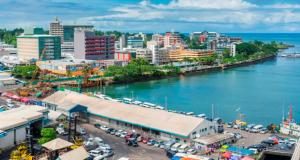
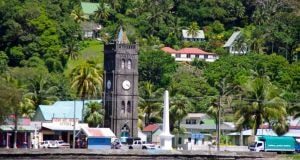
Savusavu (population 5000) is a one-horse town with a kilometer long main drag facing the bay. The storefronts are rustic and in some cases could use a fresh coat of paint but to the town council’s credit, the sidewalks are being repaired. The town’s economy is however on the mend and town fathers are making a serious effort to change the aesthetics. Over the last eight years this has included planting palm trees along the streets, paving the parking lot next to the outdoor market, paving and widening the 3 km of highway between town and the airport and improving another 20 km or so of the Hibiscus Highway. The Highway is now being extended all the way to the eastern end of the island at Buca Bay with Chinese investment in a major new road. Savusavu is the sole Port of Entry—Fiji’s second largest island.
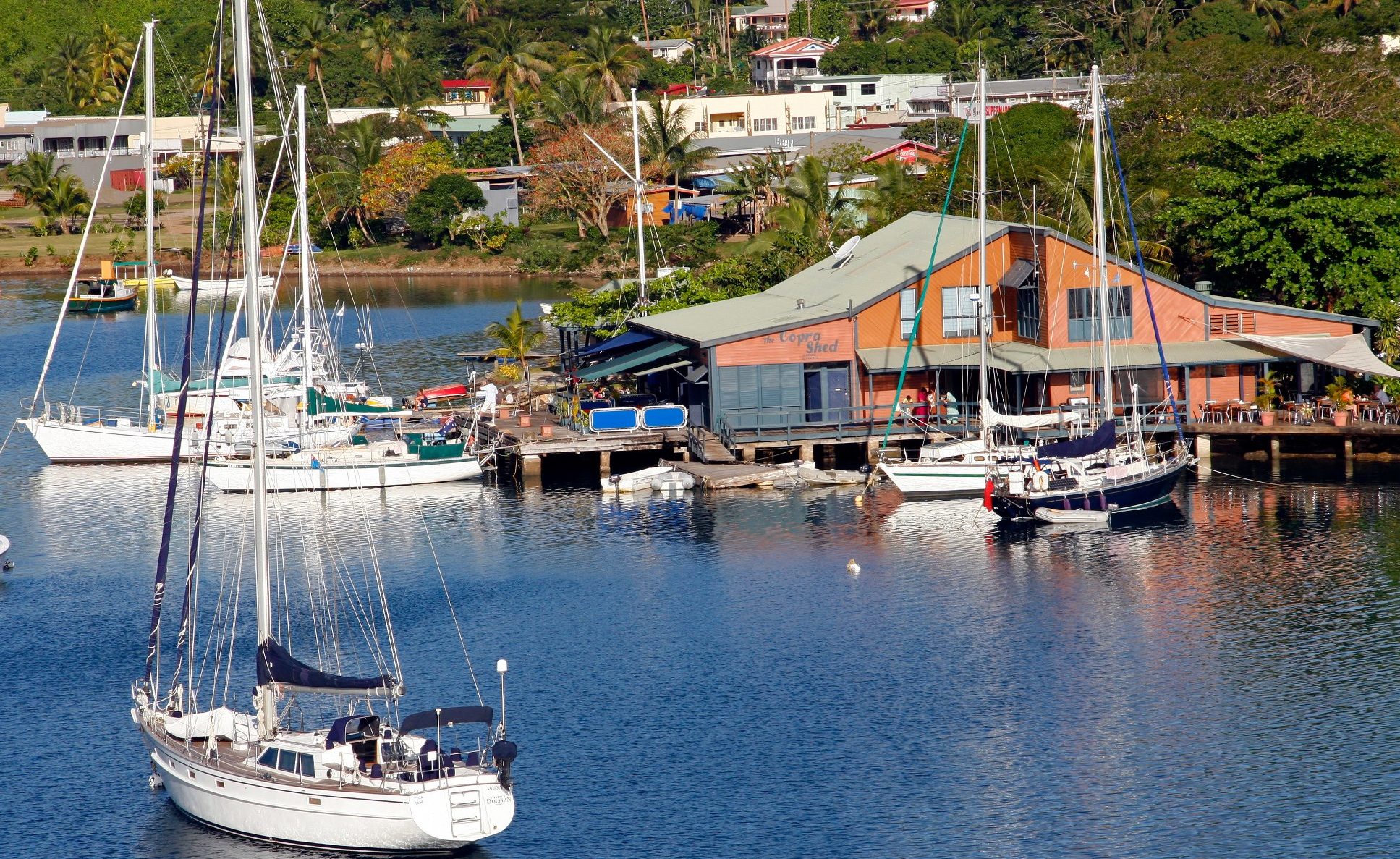
The town has witnessed some economic activity. The J Hunter Pearls farm has done well, and now markets its premium priced Fiji pearls internationally. Restaurants, visitors’ accommodations and other businesses catering to tourism have popped up over the last few years. Savusavu citizens have benefited from the jobs created and the town is evolving albeit slowly.
The half baked marina complex is a sad abandoned empty shell, another victim of political turmoil. However, there are a couple of modern new buildings nearing completion, but who or what they will house is as yet unsure. The owners are currently looking for tenants. In the interim the Savusavu town council should get on the ball and pave the sidewalks which sorely need a face lift.
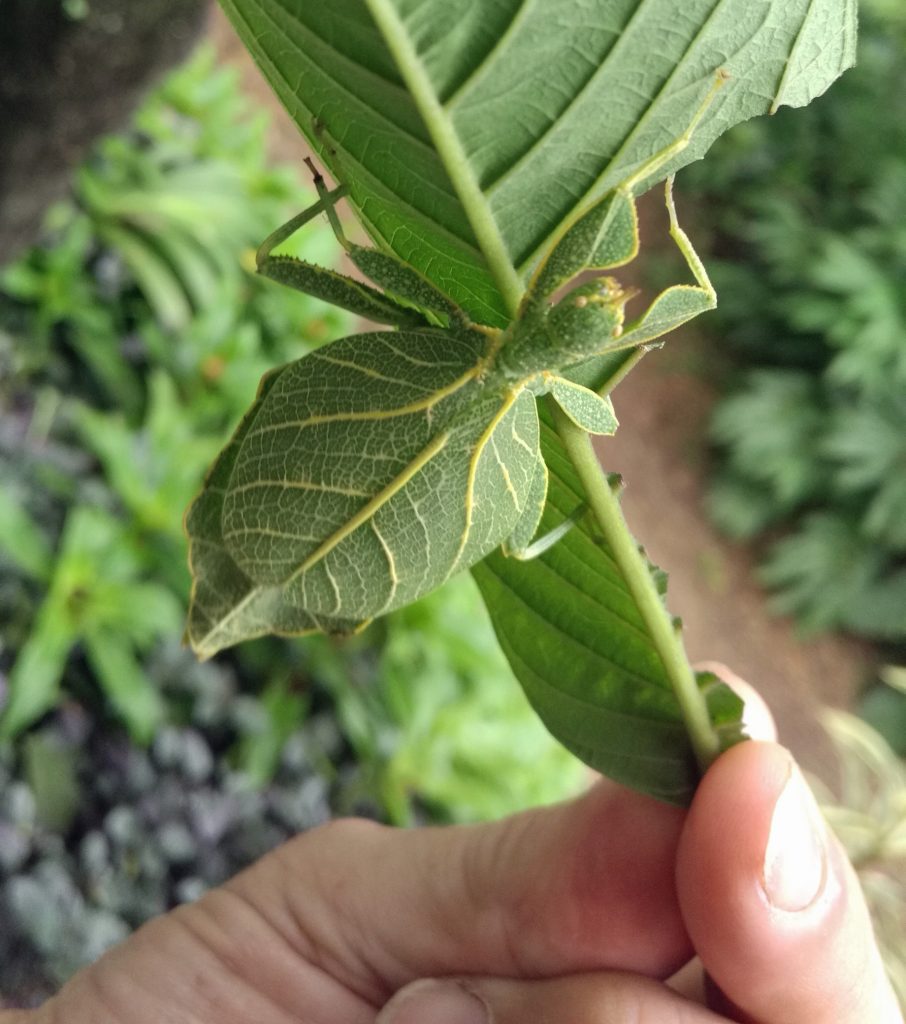
Tourism is also strong—particularly with upscale properties such as Cousteau, Savasi and Namale. In addition local marinas are thriving with the influx of more yacht activity.
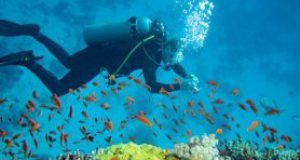
As a sign of the times, there is an excellent wine shop, Savusavu Wines & Spirits. They have a good selection of Australian, NZ and even French wines plus a very creditable foreign foods section with a few deli items. There are now local operators offering adventure activities like river tubing, hot mud pool visits, and snorkeling off a billibilli. Some of the local resorts such as Daku, offer yoga and art classes.
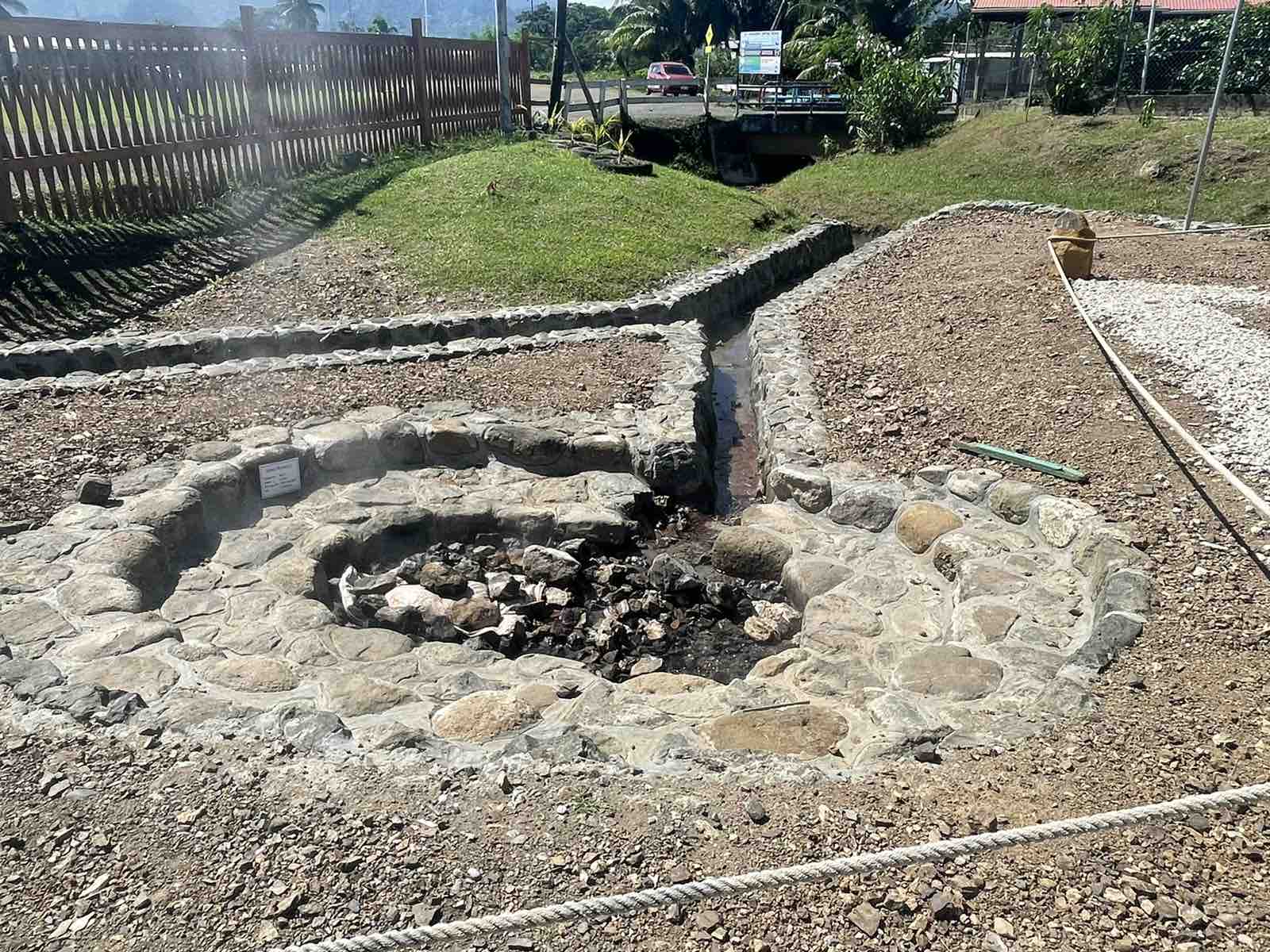
One of the most striking aspects about Savusavu are the Nakama Hot Springs, which add a surreal, twilight zone quality to the community.
The area in which many of hot springs are located have recently have undergone an extensive landscaping and are now the newest tourist attraction. Geologically, the whole town is kind of a devils kitchen, to which locals have adapted to.
Leave a reply